-5_800x.webp?w=720&h=220&q=60)

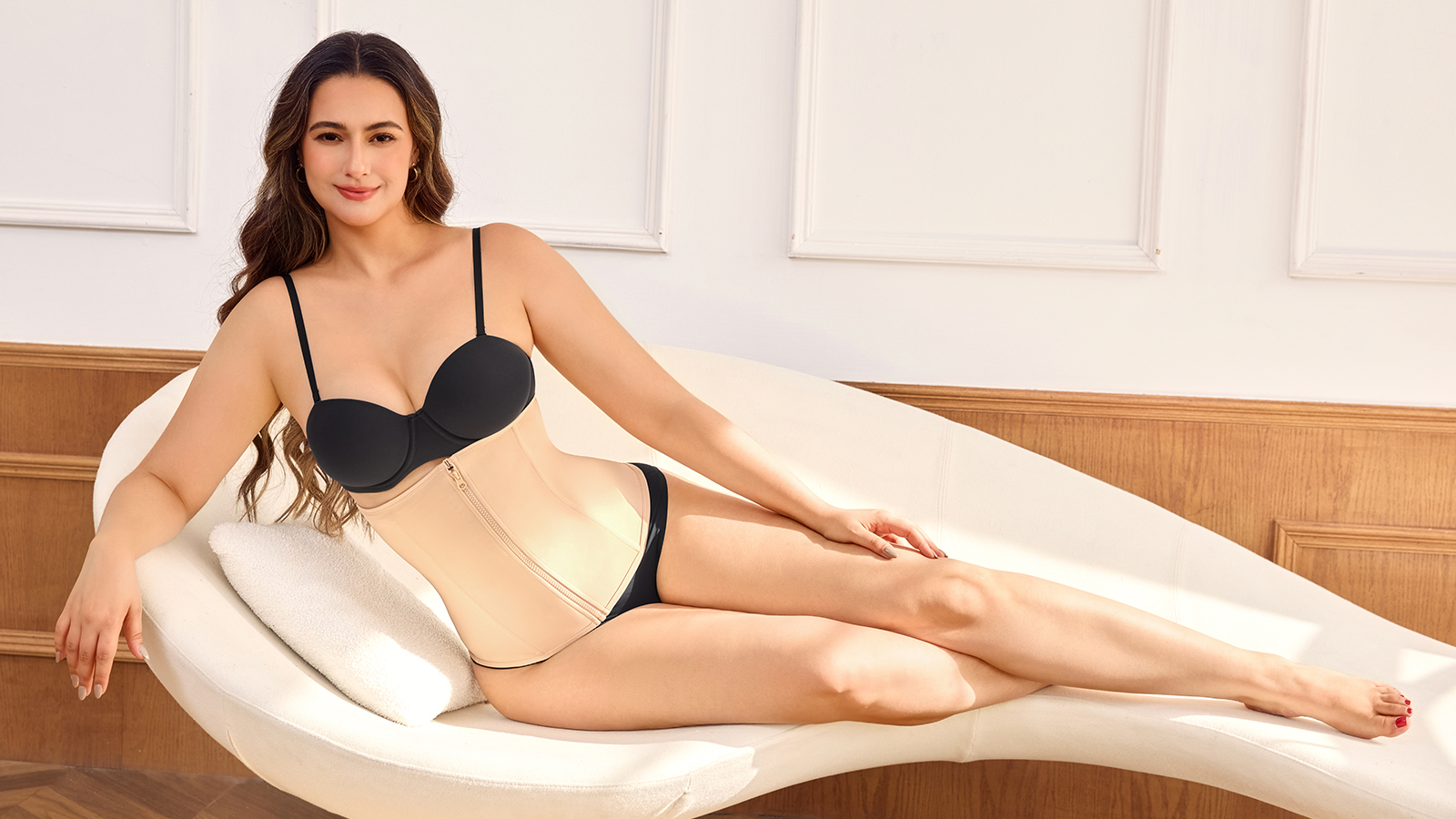
In the world of shapewear, the waist trainer corset is always a popular item. It's not just known for its waist-cinching effect but is also often associated with body shaping and stylish outfits. Many women choose it as a tool to help them with their daily shaping goals.
Today, Brabic will provide a comprehensive overview of the corset waist trainer, covering its definition, the debate around its effectiveness, its benefits, different styles, and how to wear it. We hope this will help you understand this product better.
What Is a Waist Trainer Corset?
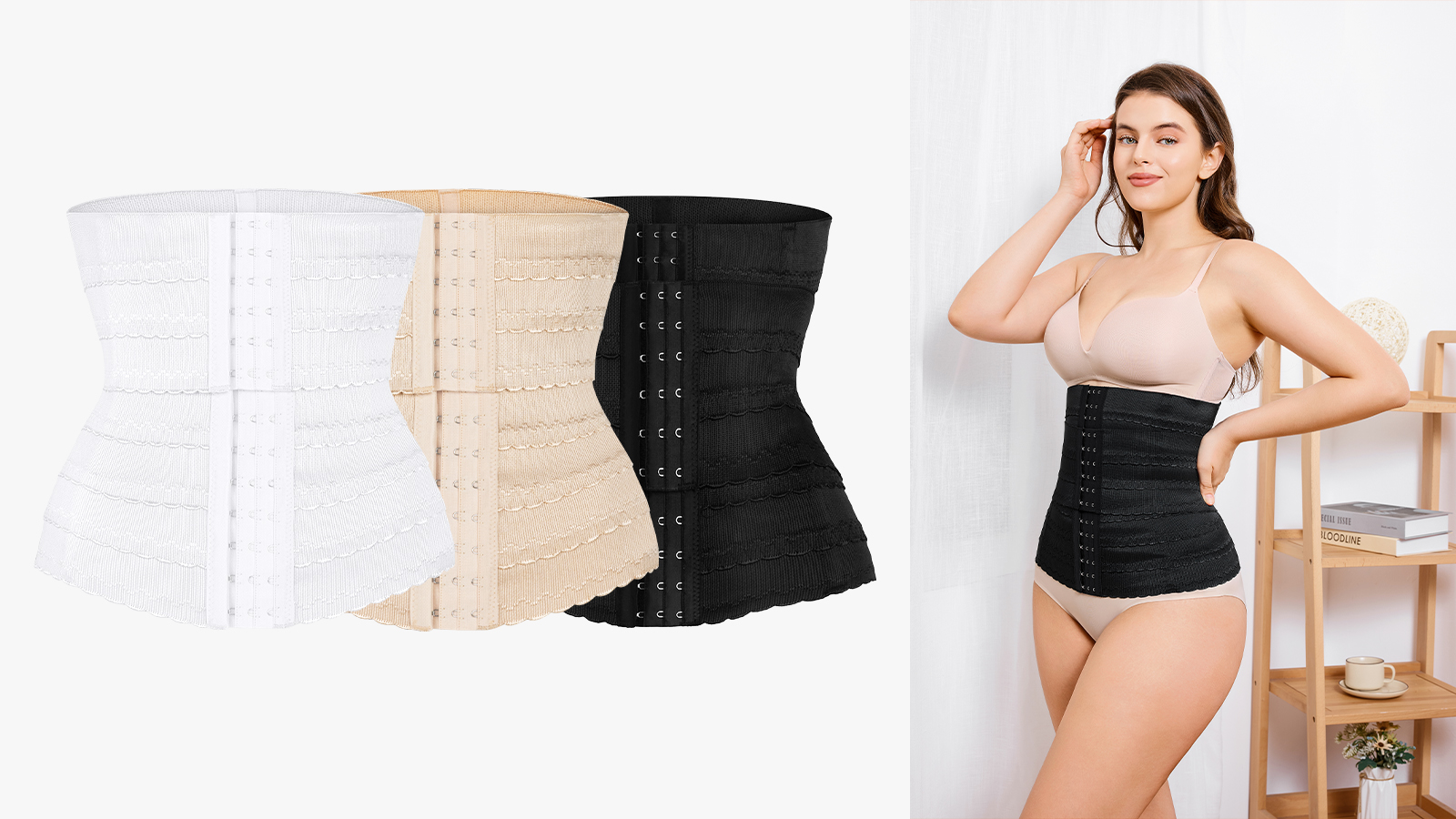
A waist trainer corset is a type of shaping garment specifically designed for the waist and abdomen. Unlike everyday shapewear, it's more focused on sculpting your waist to create a visually slimmer silhouette. Its design fits closely around the midsection, helping to compress loose skin and define your waistline while also providing a degree of support for your lower back.
In terms of how it works and what it's made of, most waist training corsets use a stretchy, breathable fabric blend, such as cotton, spandex, or neoprene in the core waist area. They work by gently pulling the loose skin on the sides and front toward the middle. Many also include soft boning or light support strips in the back to help you maintain an upright posture and reduce slouching.
Are Waist Training Corsets Really Bad for You?
Many people worry about the health risks of a waist training corset. In reality, the risks are not as high as you might think and depend on your wearing habits.
For a healthy adult, choosing the right size and limiting wear time without over-compressing your body will typically not cause significant harm. In fact, some well-designed corsets can provide back support for people who sit for long periods, which can help relieve minor backaches. Some studies have even shown that when worn correctly, an ergonomic corset has less than a 5% impact on a healthy adult's blood circulation and respiratory function, which is well within a safe range.
However, wearing a waist training corset incorrectly does pose a health risk. A corset that is too tight can compress the chest cavity, restrict breathing, and decrease lung capacity by 15-20%, which could lead to oxygen deprivation or dizziness during a workout. Long-term use can also compress abdominal organs and increase the risk of digestive issues like acid reflux.
Certain groups are at a higher risk and should avoid using a corset waist trainer. This includes pregnant women and people with spinal conditions.
Benefits of Using a Waist Trainer Corset
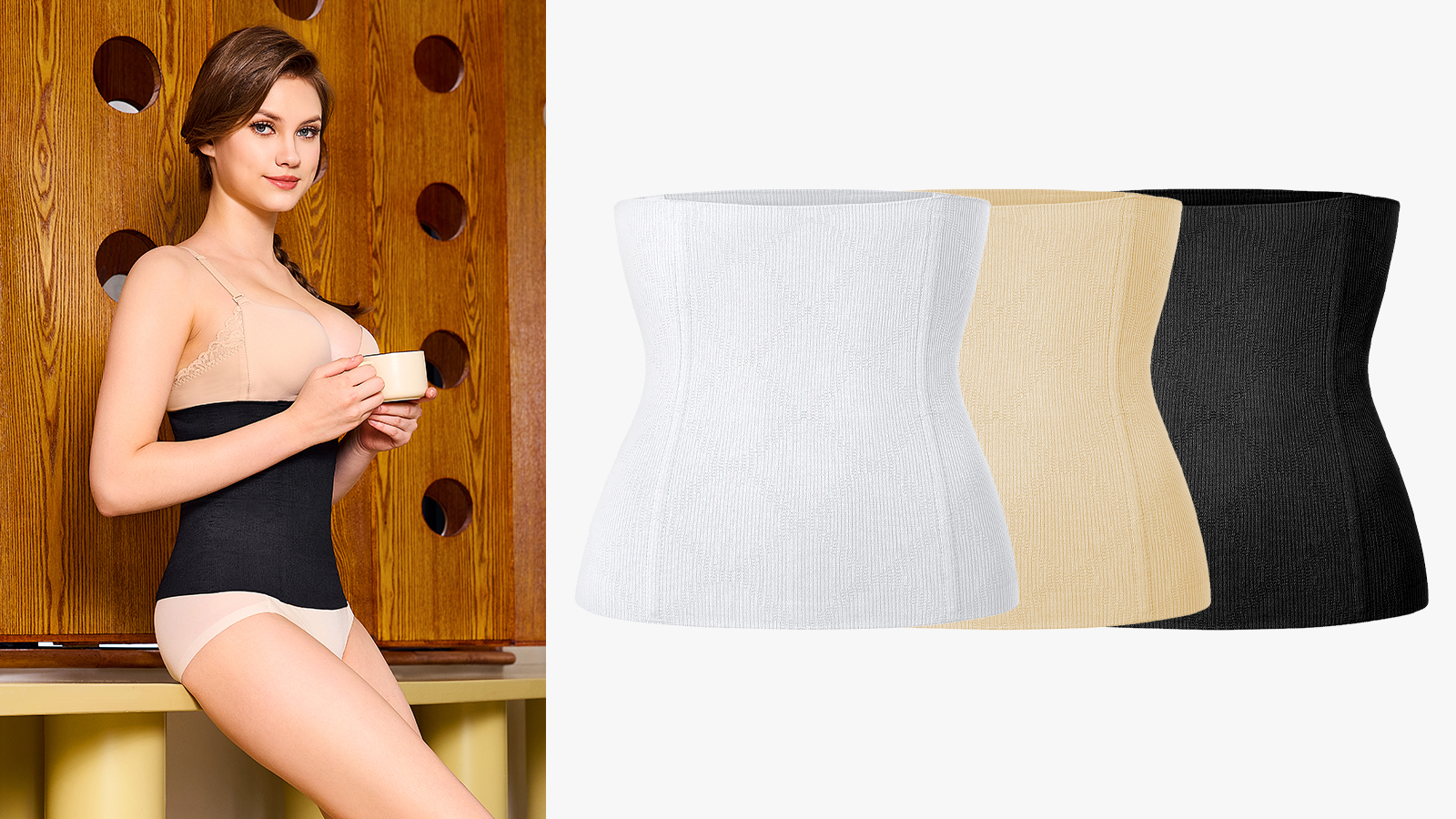
The most immediate benefit of a waist training corset is that it helps you shape your body to meet your needs. For example, when you wear a tight-fitting dress or a crop top, it can make your waistline more defined, temporarily reducing your waist and stomach measurements by 2-3 cm.
For people who sit a lot, it can provide back support and help relieve back pain. Some corsets have flexible support strips that gently hold up your lumbar spine, reminding your body to stay upright. One user reported that after wearing a corset for 3-4 hours a day, their tendency to slouch was reduced by 60% after two weeks, and their back pain also eased.
A waist training corset can also help you develop good posture habits. The feeling of support creates a kind of muscle memory, so even when you're not wearing it, you'll subconsciously maintain a straight back and pulled-in stomach. This habit leads to long-term posture improvement that's much more valuable than temporary shaping.
Different Styles of Waist Training Corsets
When choosing a waist trainer corset, different styles offer varying levels of comfort and shaping effects. Here are a few common types:
Underbust Corset
This style extends from right under the bust to above the hipbones, focusing compression on the waist, abdomen, and lower back. Since it doesn't cover the chest, it allows for more natural breathing and movement, making it a good choice for women new to a corset waist trainer.
Overbust Corset
An overbust corset covers the area from the bust down to the waist and abdomen. In addition to waist shaping, it provides some chest support. Its design is more like an article of clothing, and it can be worn as a top on its own. This style is best for those who want to combine posture management with a fashionable look. However, because it covers a larger area, it can feel warm in the summer.
Steel-Boned Corset
The steel-boned waist training corset offers more intensive shaping. The internal steel boning provides stable support and can significantly cinch the waist for a more dramatic hourglass shape. This design is often used for formal waist training, but because of its weight, beginners may need time to adjust.
Double-Layer Corset
Some waist training corsets use a double layer of fabric or have panels with extra compression. This design enhances the tummy-tucking effect while still being comfortable. These styles are great for both everyday and special occasions, like formal events or any situation where you want to maintain your posture for a long time. The double-layer design helps find a balance between comfort and control.
How to Use a Corset Waist Trainer?
-
Choose the right size. Measure the narrowest part of your waist and the circumference at your belly button. Then, compare these measurements to the size chart to find the best fit.
-
How to put it on. Loosen all the hooks or laces first. Center the cincher on your midsection, making sure the back support strips align with your spine. Then, starting from the bottom, gradually fasten or tighten it. Finally, adjust the top part to ensure the pressure is even and there are no areas that feel too tight.
-
Wear time. If you're new to wearing a waist cincher, start with just 1-2 hours per day to let your body adjust. After a week or two, you can gradually extend the wear time to 4-6 hours.
-
Care. Take it off after each use to let your skin breathe. If you sweat a lot, gently hand wash it with cold water (do not machine wash) and let it air dry before putting it away.
Brabic: Best Waist Trainer Corsets for Women
Among many brands, Brabic is favored by a wide range of users. Its design balances comfort with shaping results, making it suitable for daily wear while also offering stronger waist control when needed.
For those who are new to using a good corset for waist training, Brabic provides a variety of options, ranging from lightweight and breathable styles to high-compression designs, covering different wearing needs.
Whether for everyday shaping or pairing with specific outfits, the Brabic waist trainer corset strikes a balance between function and comfort, helping women feel more at ease and confident during their shaping journey.